From 15 to 17 December 2025, the United Nations Office for Disarmament Affairs, together with the Government of Panama and the Security Council Committee established pursuant to resolution 1540 (2004), convened a ‘Training Course for UNSCR 1540 Points of Contact (PoCs) in Latin America and the Caribbean in Panama City, Panama.
This event marked the first comprehensive 1540 PoC training for Latin America and the Caribbean since 2016, following a regional course in Chile that year, as well as the dedicated training for CARICOM States in 2019.
The 2025 course brought together representatives from 27 countries across the region, including designated PoCs and other officials involved in implementing resolution 1540 and related legal and regulatory frameworks on nuclear, chemical and biological non-proliferation and security.
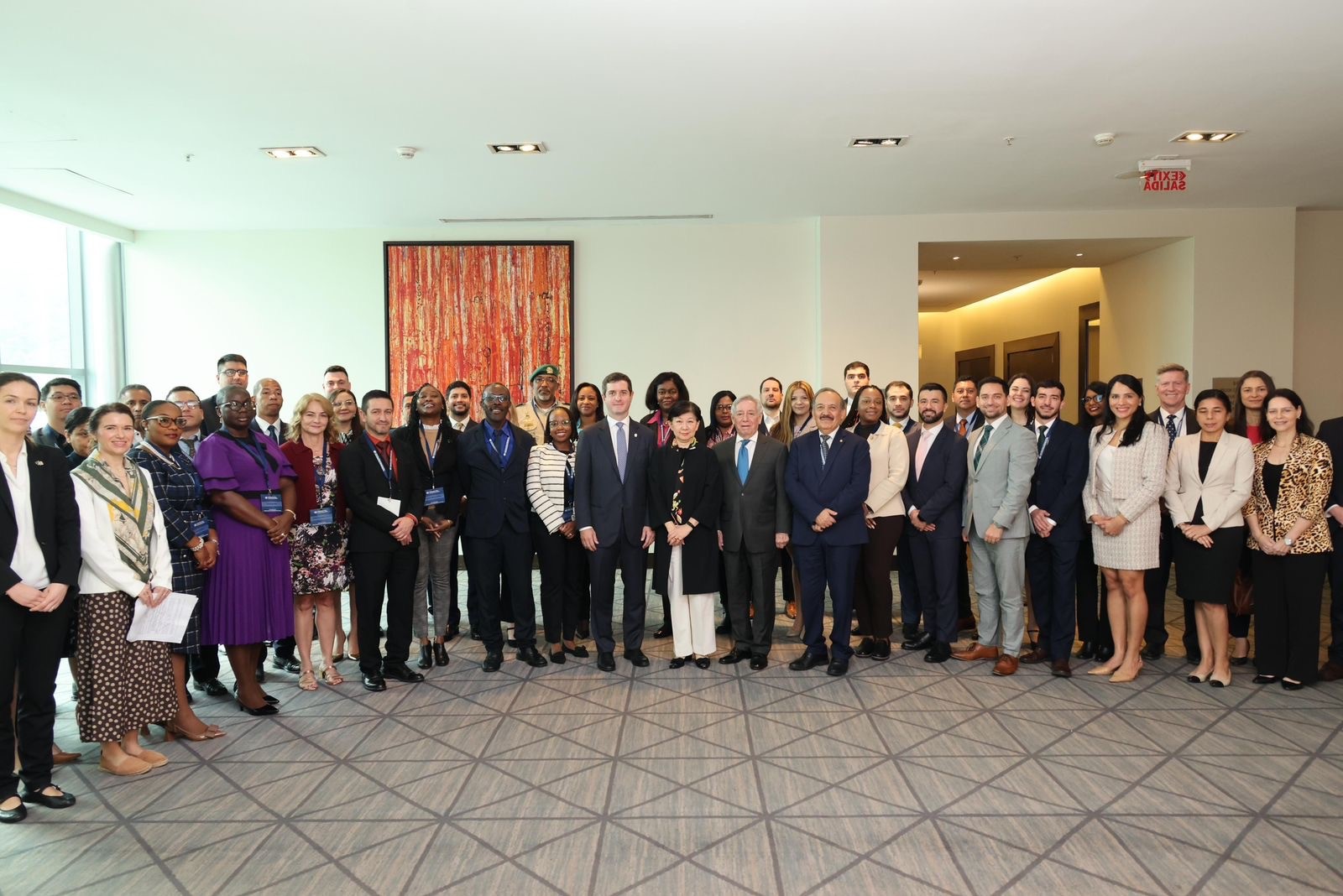
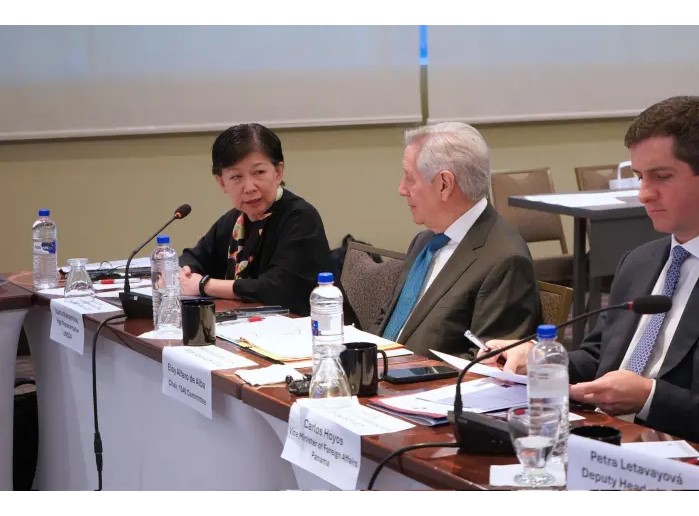
The Course commenced with remarks from the United Nations High Representative for Disarmament Affairs, Vice-Minister for Foreign Affairs of Panama, the Chair of the 1540 Committee, and the European Union. Speakers underscored that, amid a rapidly evolving security environment and technological advances that increase proliferation risks, resolution 1540 remains a cornerstone of the global non-proliferation architecture. They highlighted the essential role of national PoCs in coordinating implementation, facilitating cooperation and information exchange and connecting States with available assistance. Speakers further stressed the value of sustained capacity-building and regional cooperation to strengthen resilience against the threat of nuclear, chemical and biological weapons proliferation by non-State actors.
Substantive sessions focused on providing PoCs with an overview of the resolution’s main obligations and highlighted tools to support national efforts to deny safe havens to non-State actors with malicious intent. Offers of assistance from more than 18 international and regional organizations– including the Biological Weapons Convention-Implementation Support Unit (BWC-ISU) and the Organisation for the Prohibition of Chemical Weapons (OPCW), and the Organization of American States (OAS) – were present and welcomed by participating States.
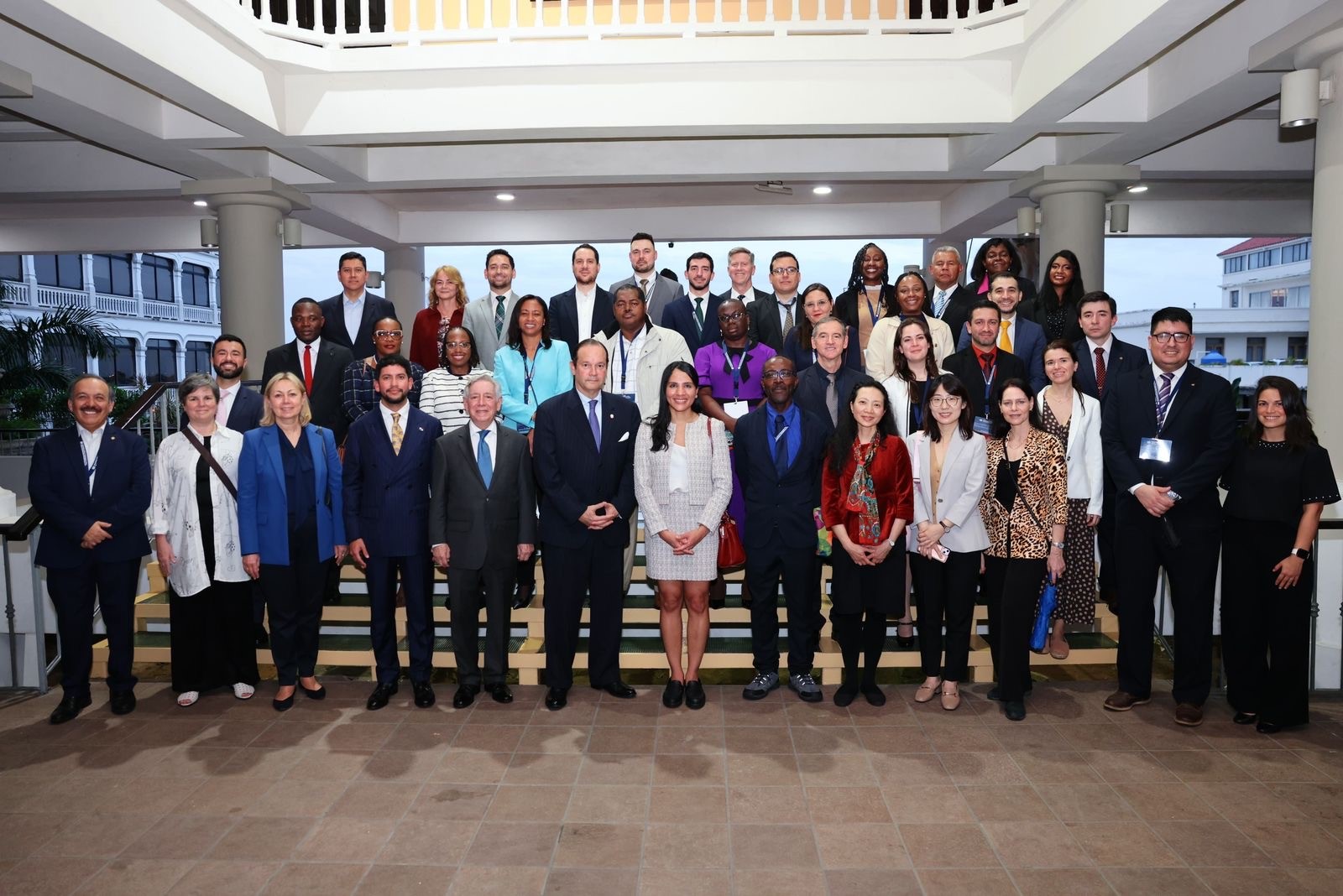
Participants also shared national experiences, highlighting progress, challenges, effective practices and lessons learned in implementing resolution 1540. These exchanges fostered peer-to-peer learning and strengthened regional cooperation. Interactive discussions during the course focused on identifying practical challenges and assistance needs related to implementation. The discussions underscored that, while the roles and responsibilities of PoC are not formally defined in resolution 1540 or subsequent resolutions, States are encouraged to adapt the role to their national context.
By the end of the three-day course, participating PoCs were better equipped - both substantively and practically - to support national implementation efforts, contribute to regional cooperation and sustain momentum in addressing the threat of nuclear, chemical and biological weapons proliferation by non-State actors.
National PoCs, designated by Member States pursuant to the resolution, play a vital role in facilitating national coordination, international cooperation and dialogue with the 1540 Committee and assistance providers thereby advancing the implementation of the resolution.
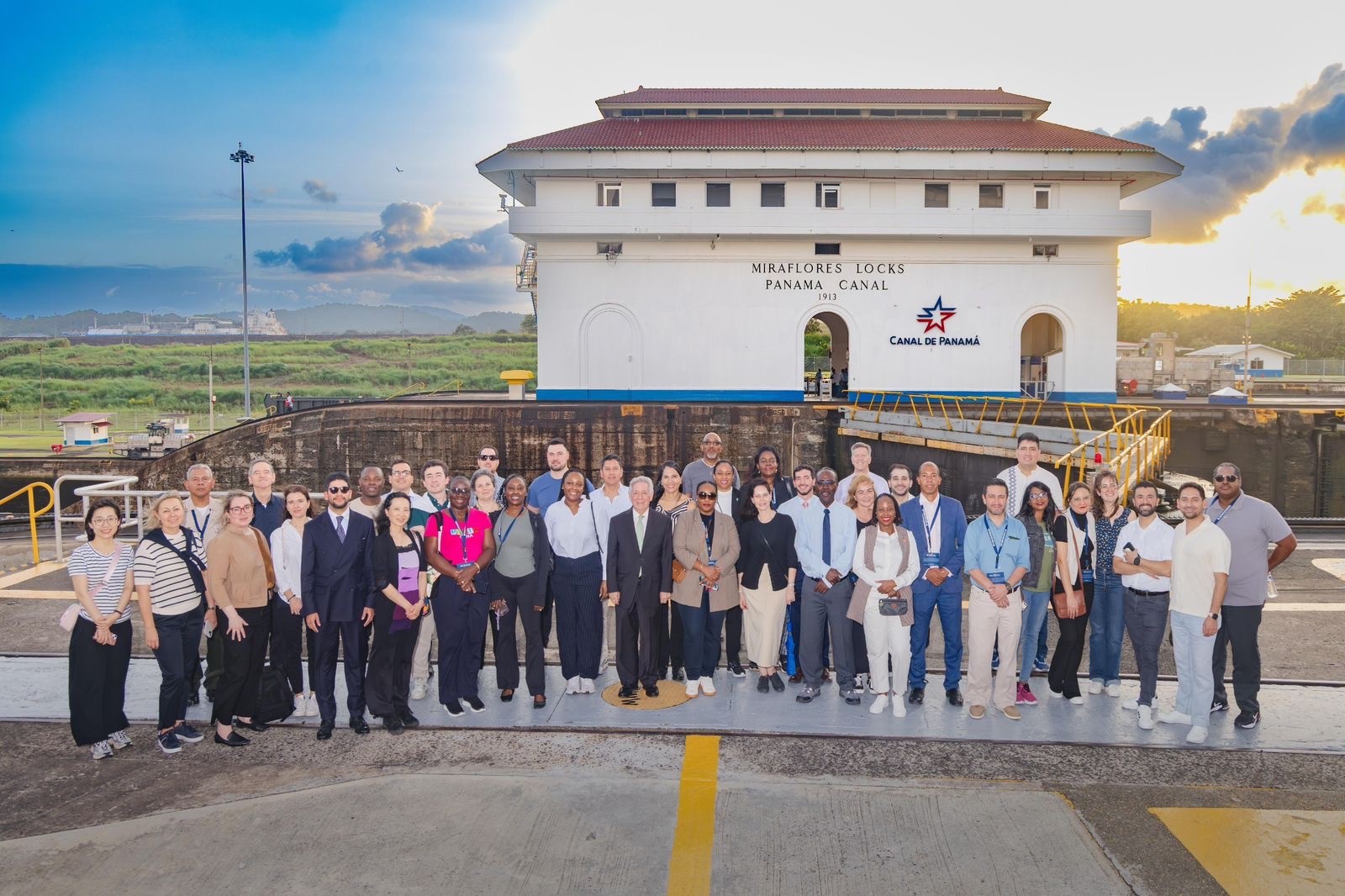
The training provided a platform to discuss regional and global risks associated with the proliferation of nuclear, chemical and biological weapons, and their means of delivery by non-State actors. It also facilitated networking among focal points, offered practical guidance on the resolution’s core provisions and showcased tools and resources available to assist States in their implementation efforts. “The network you represent across Latin America and the Caribbean is a critical asset - a platform for cooperation, exchange of experience and mutual support”, said High Representative Nakamitsu in her opening remarks.
The training course was made possible through voluntary contributions from the European Union, whose steadfast support is greatly appreciated and remains vital to the successful implementation of resolution 1540.
For more information, please contact UNODA’s 1540 Support Unit (unoda-1540-unhq@un.org).