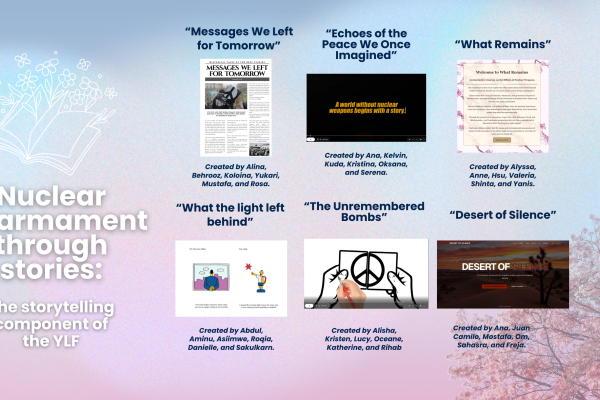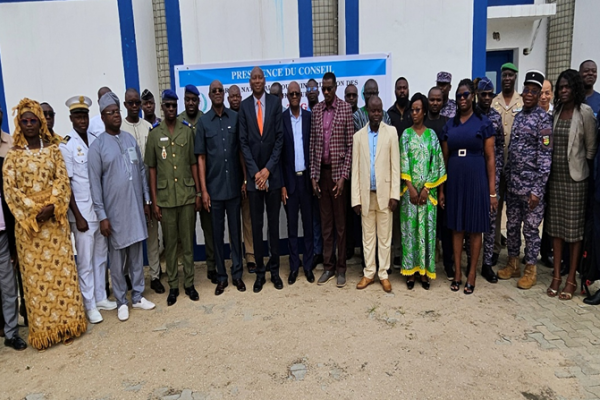
Participants of the second phase of the Youth Leader Fund for a World without Nuclear Weapons (YLF) developed six storytelling projects with the aim to preserve memory, share the historical lessons from nuclear weapons use and testing, and advance advocacy for nuclear disarmament.
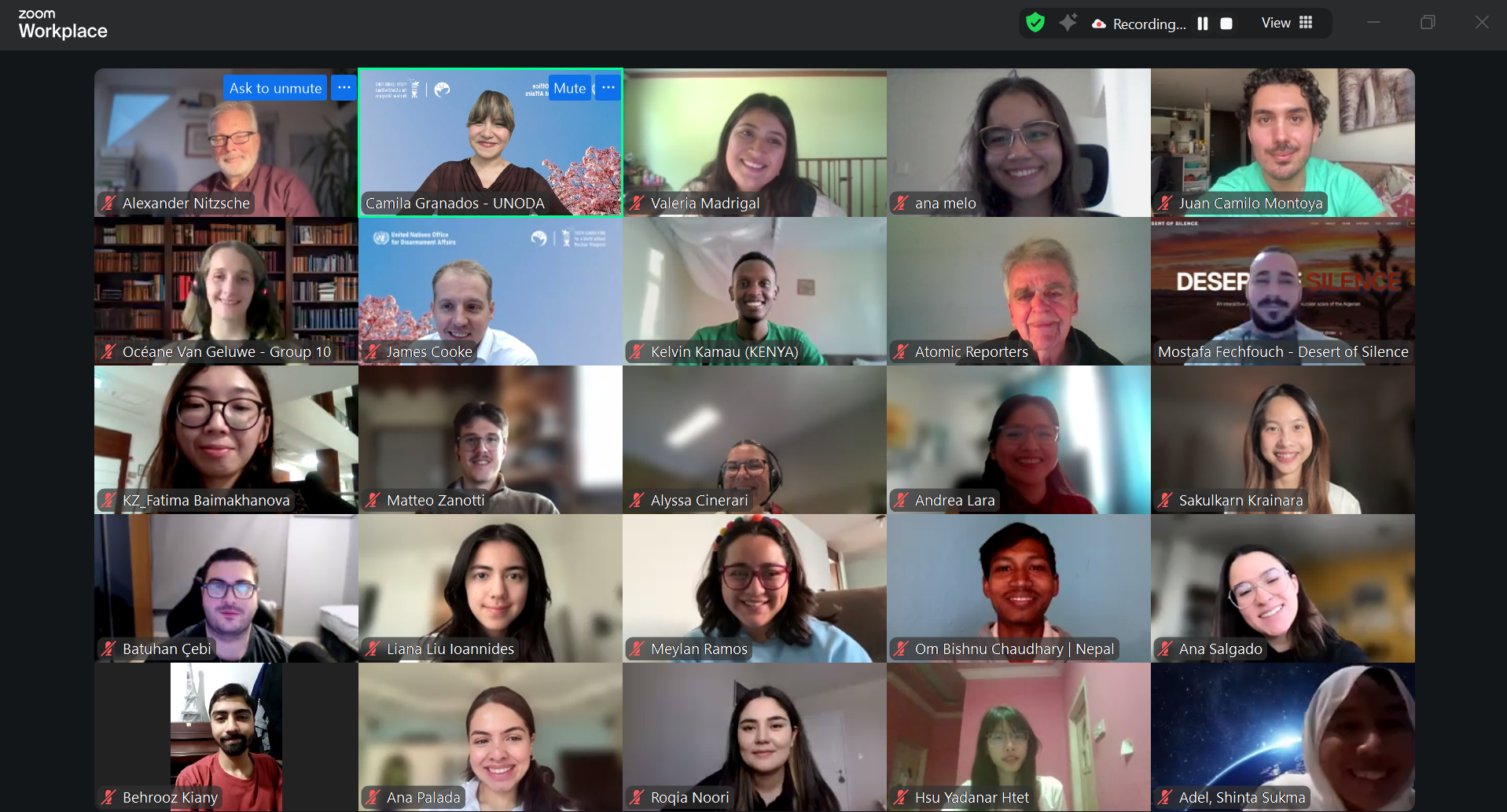
With coaching from the United Nations Office for Disarmament Affairs (UNODA), Atomic Reporters and the UN System Staff College (UNSSC), participants explored different journalism and storytelling techniques to create compelling, human-centered stories through two workshops where they started creating their projects.
The outcome: six creative endeavours, including a comic book, an interactive film, a 'choose your own experience' website, a newspaper article set in 2075, an audiovisual story, and an animated video. These projects explore the human, social and environmental dimensions of nuclear weapons, through various narrative approaches and use of innovative digital tools.
Explore their projects, and their perspectives on the role of storytelling to advance nuclear disarmament, in their own words*:
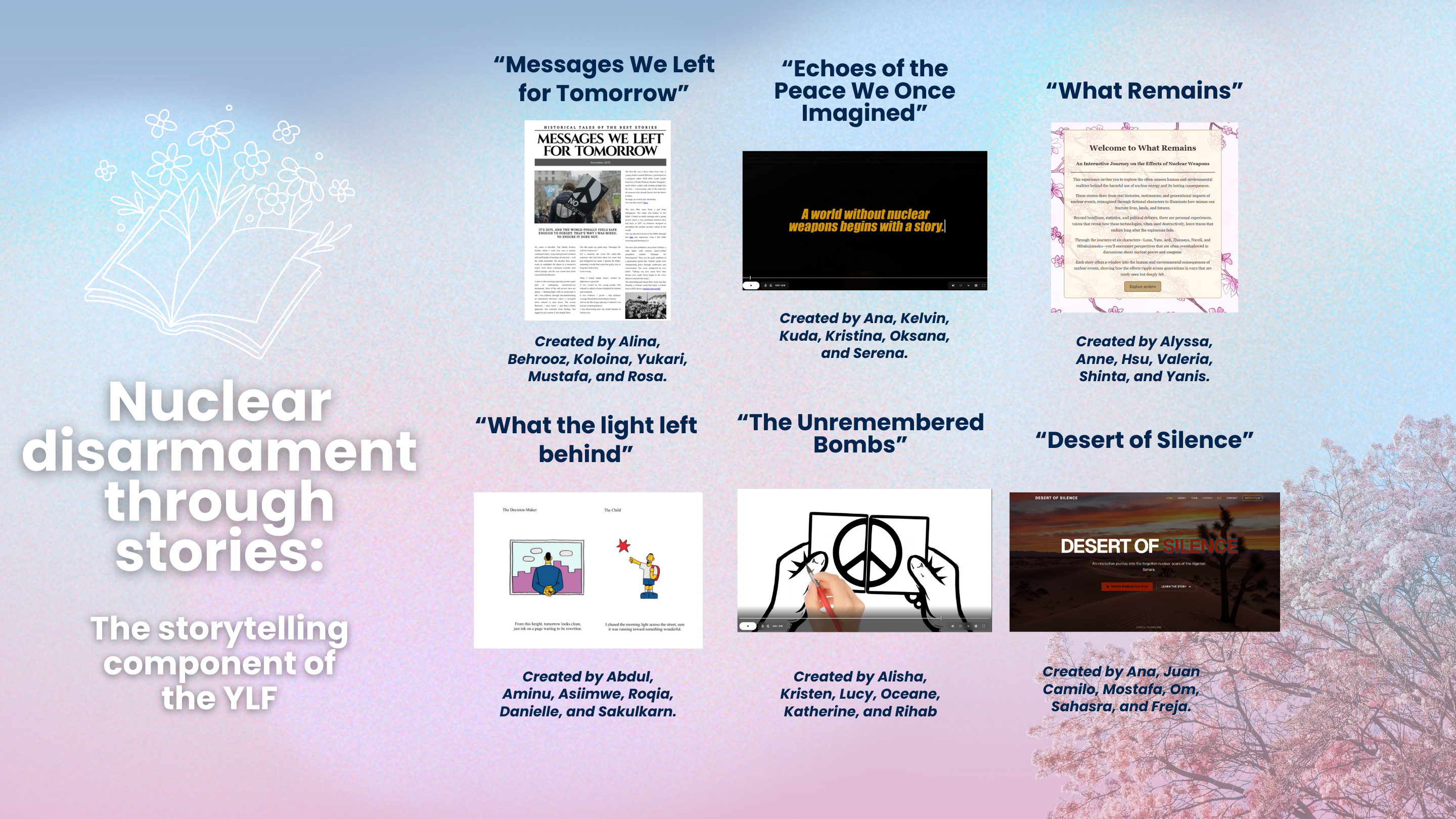
Messages We Left for Tomorrow: this project envisions a future without nuclear weapons. Set in 2075, it follows a journalist who discovers an archive of stories documenting how youth shaped disarmament efforts between 2020 and 2050 through everyday actions.
- "Our strategy was to incorporate our diverse experiences into a single product comprised of letters, testimonials, web pages, and photos. The project reframes disarmament as a collective historical process", said participant Rosa Maria Tuesta.
- Explore the archive at this link.
Echoes of the Peace We Once Imagined: this story reenacts the moments leading up to a nuclear attack, portraying how daily life is disrupted by conflict and violence, as told through the eyes of youth from different regions around the world.
- “The editing process focused more on mood rather than explanation, and it allows pauses, fragments, and echoes of how nuclear anxiety often exists in the background of peoples' lives rather than in the direct conversation”, explained participant Ana Salgado during the event.
- Watch the video at this link.
What Remains: through six fictional characters - Luna (a dog in Chernobyl), Dr. Shimizu (a Japanese doctor), Hibakujumoku (a Hiroshima survivor tree), Ardi (exposed to Cs137 in Indonesia), Nayeli (affected by the Trinity test), and Zhansaya (from the Semipalatinsk region) - this project reveals the often unseen impacts of nuclear weapons use and testing.
- "All of our characters are fictional, but their stories are grounded in real events, research, and verified sources. We chose this approach to respect the dignity and privacy of real victims, while still honoring their experiences. Each story includes an educational section, because for us, storytelling must also inform and empower", said participant Anne Cuadros.
- Read their stories here.
What the Light Left Behind: this comic revisits the atomic bombing of Hiroshima through two intertwined narratives: one following the decision makers who deployed the atomic bomb, and those directly affected upon its impact, revealing that This no one remains untouched by the weight of the destruction, while reflecting on the importance of preserving memory.
- "By requiring little prior knowledge, the work allows first-time audiences to enter discussions on nuclear disarmament without intimidation or expertise. This project reinforces the idea that remembering past destruction is a form of prevention against future violence", noted participant Roqia Noori.
- Read the comic here.
The Unremembered Bombs: this animated video explores the story of South Africa as the only country to develop nuclear weapons and later voluntarily dismantle them before joining the Nuclear Non-Proliferation Treaty, with an approach to topics such as justice, secrecy and reconciliation.
- "Disarmament is not only achieved as a technical act, it is also a moral and political process; and by acknowledging the complexity of this issue, we show how honest memory can support international peace and durable trust. Through the video, we ask ourselves: is true disarmament only about dismantling nuclear weapons, or also about confronting the system that made them possible?", said participant Oceane Van Geluwe.
- Watch the video here.
Desert of Silence: set during the nuclear tests conducted in the Algerian Sahara in the 1960s, this immersive, choice-based interactive film follows different fictional characters confronting the moral and political dilemmas behind the nuclear race. Viewers guide their decisions and witness the consequences.
- "Traditional narratives often struggle to capture the complex, fragmented nature of historical trauma. The history is fragmented as records are incomplete and truths are contested. This is why we chose interactive storytelling, to invite the audience to experience the moral and narrative fragmentation firsthand", explained participant Mostafa Fechfouch.
- Watch the film here.
About the YLF
The Youth Leader Fund is an innovative learning programme funded by the Government of Japan and managed by UNODA. Every two years through 2030, the programme trains a cohort of 100 young leaders across the globe to advance nuclear disarmament, preserve the memory of hibakusha (atomic bomb survivors), and convey the historical lessons of Hiroshima and Nagasaki. The second phase, launched in 2025, places a strong emphasis on journalism and storytelling for advocacy, recognizing the power of narratives in shaping public opinion and policy.
Learn more at disarmamenteducation.org/ylf
*These projects were developed as part of the Youth Leader Fund for a World without Nuclear Weapons (YLF). The views expressed are those of the participants and do not necessarily reflect the views of the YLF, the Youth4Disarmament (Y4D) Programme, the UN Office for Disarmament Affairs (UNODA), or the United Nations.