2025 marks a year of important anniversaries in the global effort to achieve gender equality. The UNODA Vienna Office celebrated the 25th anniversary of Security Council Resolution 1325 and the Women, Peace and Security (WPS) agenda with an inspiring photo exhibition titled “Women, Peace and Security at 25: From Global Commitment to Lasting Change.” The exhibition took place at the Vienna International Centre from 3 to 7 November 2025.
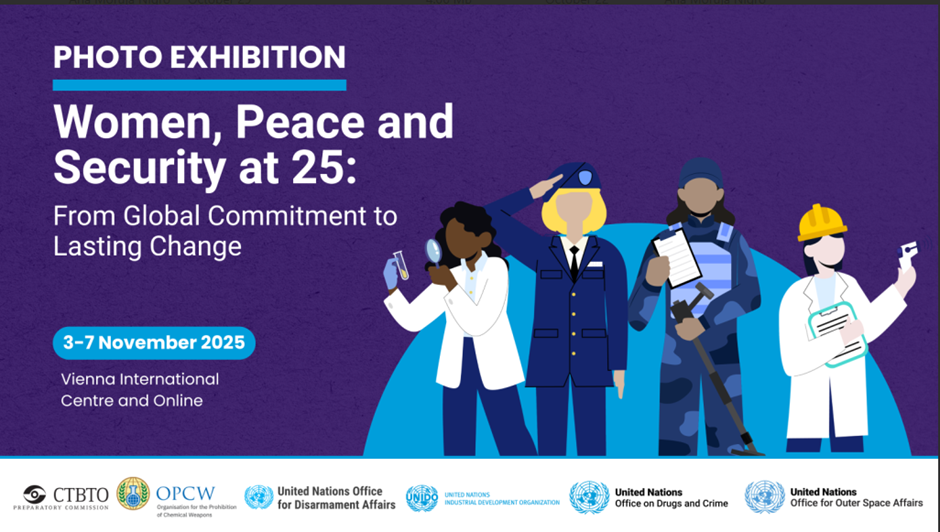
Organized in collaboration with Vienna-based partners - CTBTO, UNODC, UNIDO, UNOOSA - and the OPCW, the event highlighted how women continue to shape peace, science, security, and leadership. It underscored that the Women, Peace and Security agenda lies at the heart of the United Nations’ mission, connecting efforts from crime prevention to industrial innovation and from disarmament to space governance.
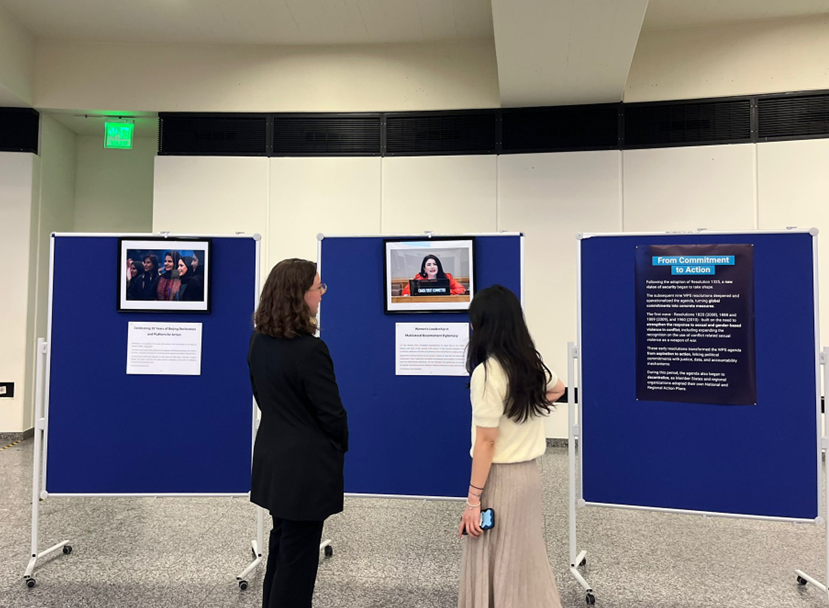
Adopted in 2000, Security Council resolution 1325 ensured that women have a meaningful seat at peace processes and within security decision-making frameworks. For the first time, the international community formally recognized that women are not only affected by conflict but are also essential to its prevention, resolution, and recovery.
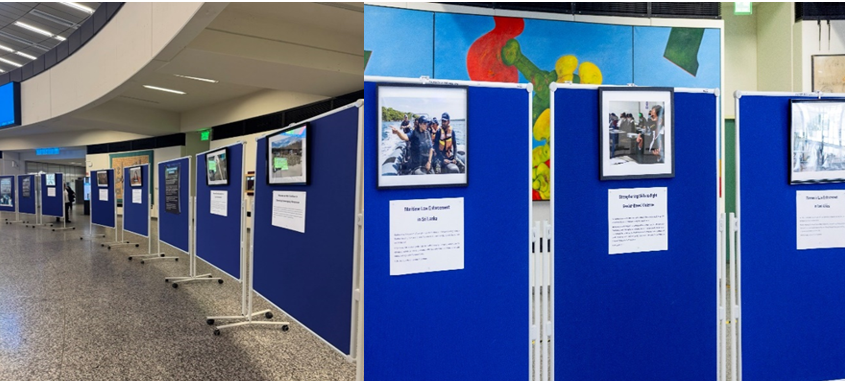
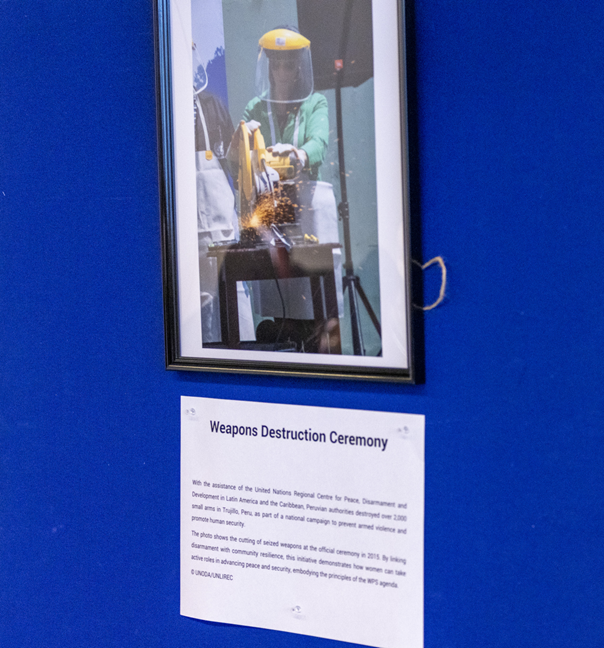
The exhibition was structured around six chapters, from the historic adoption of resolution 1325 to the present-day leadership of women in peacebuilding. Each section paired striking images and powerful stories with facts and quotes about real women shaping peace, science, law enforcement, and technical innovation.
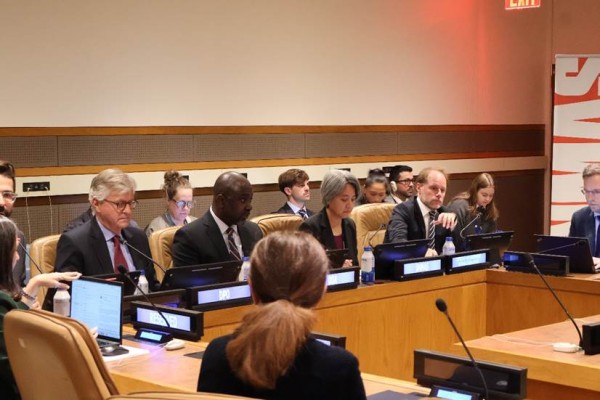
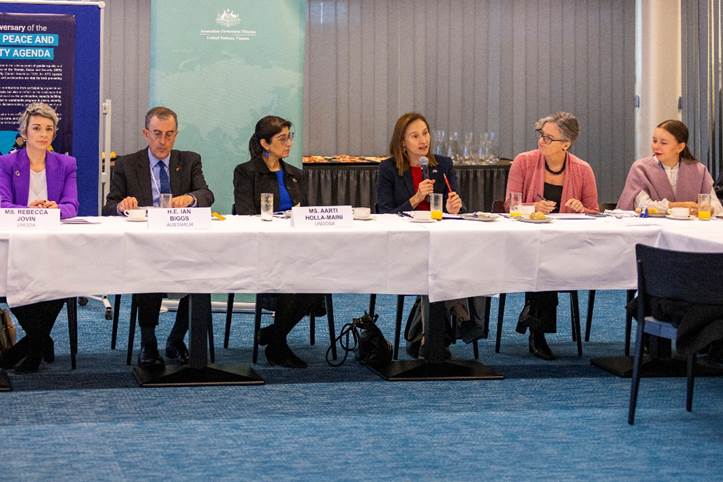
The anniversary commemoration also featured a high-level breakfast that brought together Permanent Representatives and Vienna-based partners to reflect on progress and chart the future of the Women, Peace and Security agenda.
Despite significant advances, progress has stalled. Only 18 percent of Sustainable Development Goal (SDG) targets are currently on track to be achieved by 2030, and no country is on track to meet the targets under SDG 5 on gender equality. Core barriers to women’s advancement, from gender-based violence to exclusion from decision-making, persist and, in some contexts, are deepening. These challenges mark what the Secretary-General has described as a “moment of reckoning” for the WPS agenda.
As the exhibition closed, its message remained clear: when women and girls rise, everyone thrives. The year ahead must therefore be more than a commemoration; it must be a recommitment, to transform aspiration into action.