United Nations
Office for Disarmament
Affairs
Spotlights
See the top, latest stories and events coming from UNODA.
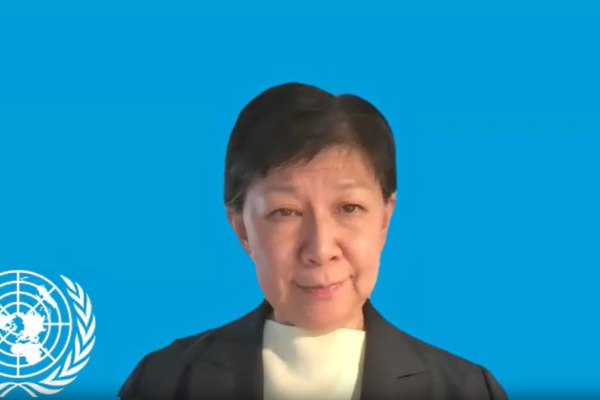
High Representative Izumi Nakamitsu Delivers a Video Message to the 2026 CCW Group of Governmental Experts on Emerging Technologies in the Area of Lethal Autonomous Weapons Systems
2 March, 2026
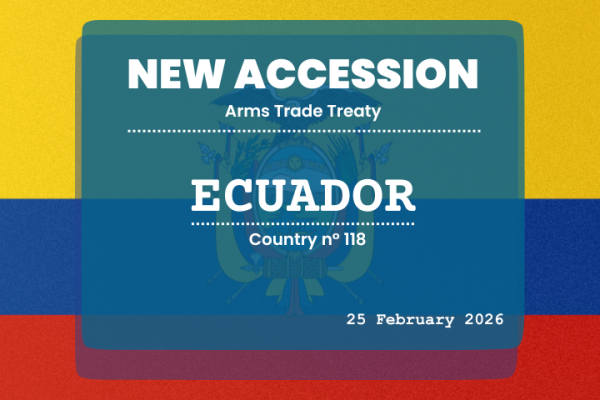
Ecuador joins the Arms Trade Treaty
26 February, 2026
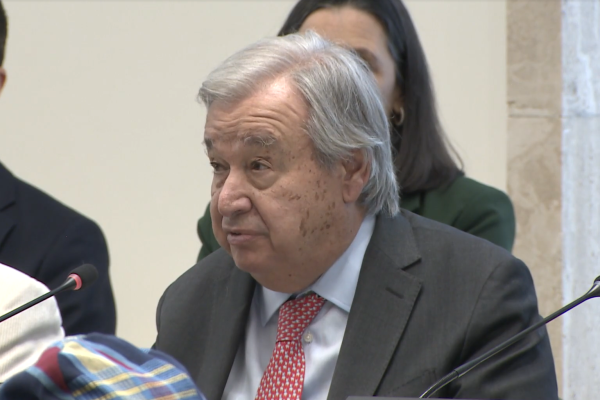
Secretary-General António Guterres delivers remarks to the Conference on Disarmament
23 February, 2026
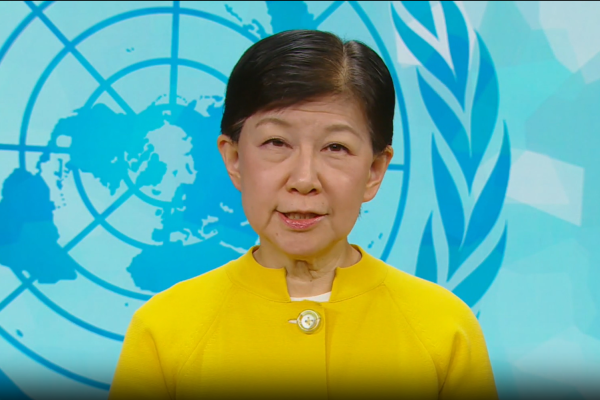
High Representative Izumi Nakamitsu Delivers a Video Message on the 30th Anniversary of the Treaty of Pelindaba
17 February, 2026
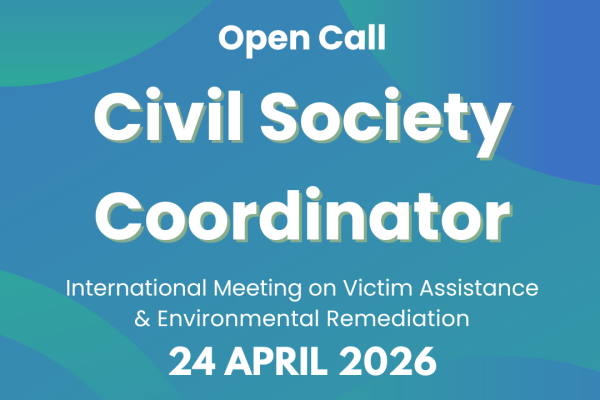
Open Call for Civil Society Coordinator – International Meeting on Victim Assistance and Environmental Remediation
16 February, 2026
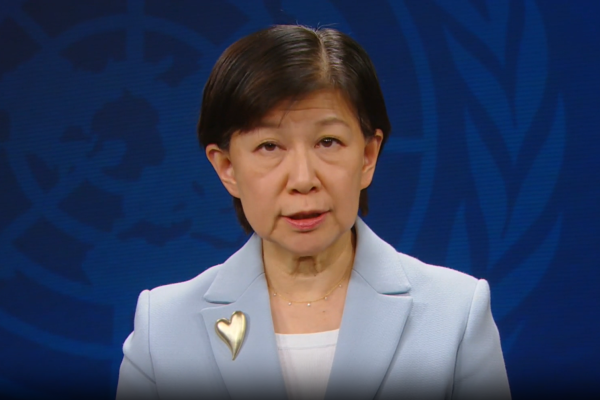
High Representative Izumi Nakamitsu Delivers a Video Message on the Occasion of the 59th Anniversary of the Treaty of Tlatelolco
16 February, 2026
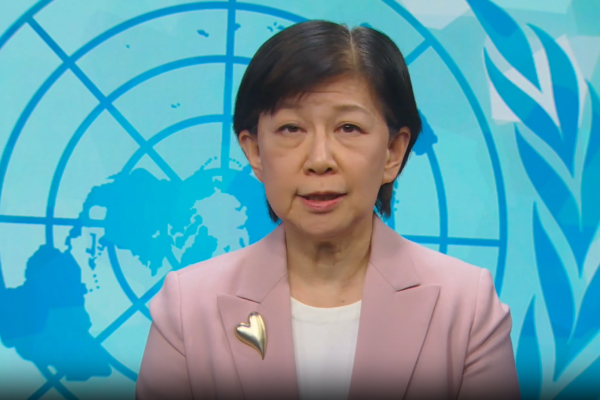
High Representative Izumi Nakamitsu Delivered a Video Message to the Asia-Pacific iteration of the Small Arms and Light Weapons Fellowship Training Programme
16 February, 2026
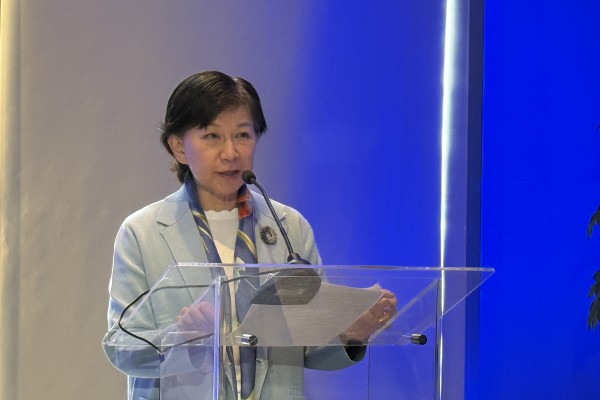
High Representative Izumi Nakamitsu Delivers Opening Remarks for Regional Consultations for States Parties to the NPT
12 February, 2026
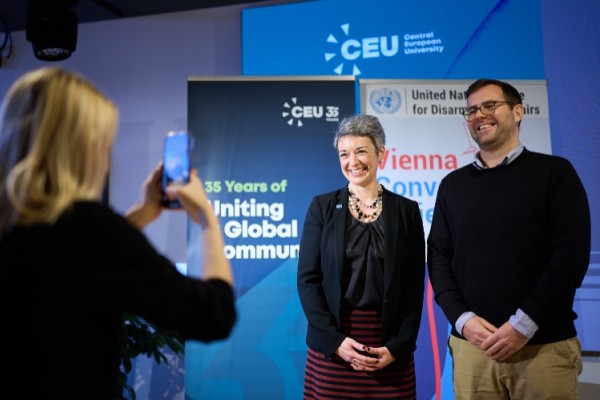
UNODA Vienna Office Marks the 80th Anniversary of the United Nations
12 February, 2026
Updates
See the top, latest stories and events coming from UNODA.
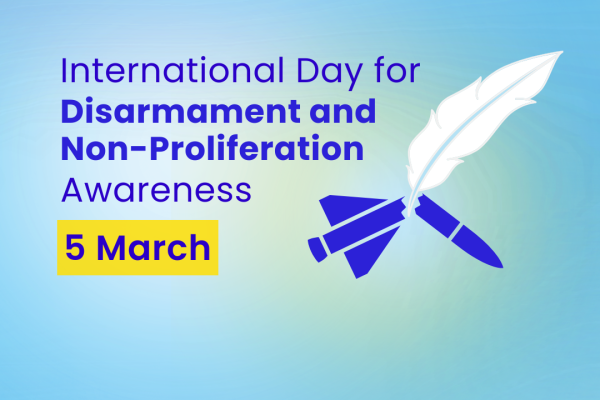
International Day for Disarmament and Non-Proliferation Awareness Events and Registration
The International Day for Disarmament and Non-Proliferation Awareness, observed every year on 5 March, seeks to promote better awareness and understanding of disarmament issues among the public, especially young people.Find below the events open to the public, both hybrid and in-person, along with their registration links:
Vienna International Center Interactive Exhibit on Military Expenditure
Monday, 2 March – 1:30PM CET
In-person attendance in the Rotunda of the UN Vienna International Centre*
From 2 to 6 March, the Rotunda of the Vienna…
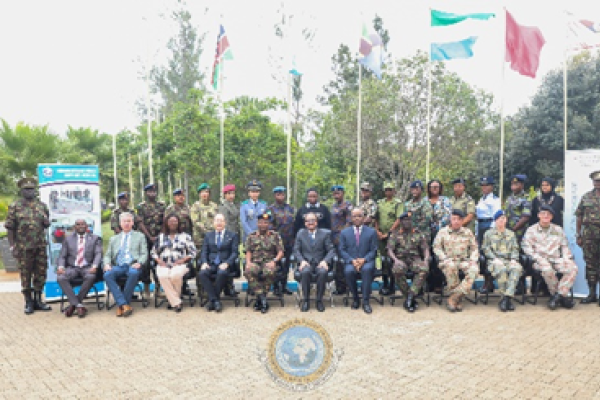
2026 UN SaferGuard Regional Training for Women Ammunition Technical Experts in Africa on the International Ammunition Technical Guidelines
From 12 to 23 January 2026, the United Nations Office for Disarmament Affairs (UNODA), in collaboration with the Austrian Ministry of Defence and the Ammunition Management Advisory Team (AMAT), with substantive contribution from the Small Arms Survey, successfully hosted the 2026 UN SaferGuard Regional Training for Women Ammunition Technical Experts in Africa on the International Ammunition Technical Guidelines (IATG). Held at the Humanitarian Peace Support School (HPSS) in Nairobi, Kenya, the two-week course brought together 15 women from 10 African countries: the Democratic Republic of…
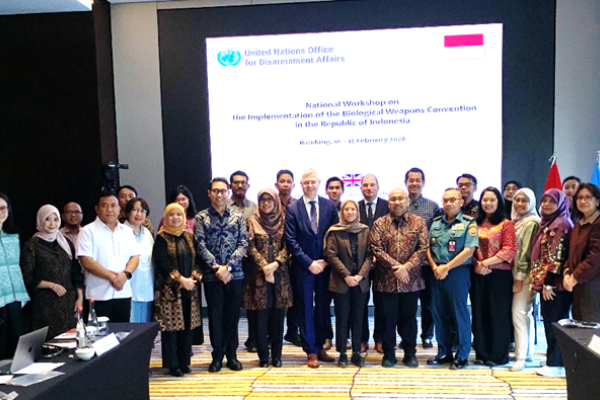
National Workshop on the Implementation of the Biological Weapons Convention in Indonesia
From 10 to 12 February 2026, in Bandung, Indonesia, the Implementation Support Unit (ISU) of the Biological Weapons Convention (BWC) within the United Nations Office for Disarmament Affairs (UNODA) organized a national workshop on the implementation of the BWC in the country. The workshop was convened in close cooperation with the Government of Indonesia, with financial support from the United Kingdom of Great Britain and Northern Ireland.
The workshop was designed to enhance the national implementation of the Convention, promote biosafety and biosecurity, and facilitate the…
Open Call for Civil Society Coordinator – International Meeting on Victim Assistance and Environmental Remediation
International Meeting on Victim Assistance and Environmental Remediation to be Convened by the Secretary-General pursuant to A/RES/80/56.-General pursuant to A/RES/80/56
Date: 24 April 2026 (United Nations Headquarters, New York)
The Secretariat invites expressions of interest from civil society organizations (CSOs) wishing to serve as the Civil Society Coordinator for the above-referenced meeting.
In line with operative paragraph 2 of General Assembly resolution 80/56, the meeting will bring together States, civil society organizations, scientists, academia…
Events and Announcements
See the top events and announcements from UNODA.
Meetings and Events
Announcements
SG Statements
HR Statements
Press Releases
ODA at a glance
UNODA supports the development and implementation of practical disarmament measures after a conflict, such as disarming and demobilizing former combatants and helping them to reintegrate in civil society.
Established in January 1998
United Nations ODA was established in January 1998 as the Department for Disarmament Affairs which was part of the SG’s programme for reform in accordance with his report to the General Assembly (A/51/950).
Supports General and complete disarmament
The Office for Disarmament Affairs supports multilateral efforts aimed at achieving the ultimate goal of general and complete disarmament under strict and effective international control. The mandate for the programme is derived from the priorities established in relevant General Assembly resolutions and decisions in the field of disarmament, including the Final Document of the Tenth Special Session of the General Assembly, the first special session devoted to disarmament (resolution S-10/2).
Provides support in the area of disarmament
UNODA provides substantive and organizational support for norm-setting in the area of disarmament through the work of the General Assembly and its First Committee, the Disarmament Commission, the Conference on Disarmament and other bodies. It fosters disarmament measures through dialogue, transparency and confidence-building on military matters, and encourages regional disarmament efforts; these include the United Nations Register of Conventional Arms and regional forums.
Provides information to Member States
UNODA provides objective, impartial and up-to-date information on multilateral disarmament issues and activities to Member States, States parties to multilateral agreements, intergovernmental organizations and institutions, departments and agencies of the United Nations system, research and educational institutions, civil society, especially non-governmental organizations, the media and the general public.
Structure of ODA
The main parts of the Office for Disarmament Affairs, the Security Council, the Economic and Social Council, the Trusteeship Council, the International Court of Justice, and the UN Secretariat. All were established in 1945 when the UN was founded.

Weapons of Mass Destruction
Support to multilateral disarmament and non-proliferation efforts with respect to weapons of mass destruction (WMD).

Conventional Arms
Focusing disarmament and arms control efforts on all weapons not considered WMD, including small arms and light weapons (SALW).

Regional Disarmament
The enhancement of global disarmament and international peace and security through the support and promotion of regional disarmament efforts.

Emerging Challenges
Include UNODA’s work in science and technology, AI, autonomous weapons, ICT and outer space, among other areas.

Cross-cutting issues
Include UNODA’s work in education, youth, gender, counter-terrorism the environment, among other areas.
Watch and Learn
Video and audio from across the United Nations and our world-wide family of agencies, funds, and programmes.
What is disarmament?
Throughout history, countries have pursued disarmament to stop arms races, build trust, and protect people from harm. Disarmament has been central to the work of the United Nations since its founding, and it is critical for building a more secure and peaceful world. But what actually is disarmament? This video introduces audiences to the ideas and concepts behind disarmament and arms control.
How does disarmament and arms control work?
This video takes a look at the processes and mechanisms behind modern disarmament and arms control, and how we work together to realise disarmament goals.
How to engage
In this video we look at how individuals can engage with disarmament, and the importance of strengthening cooperation and coordination at all levels. We also look at the need to engage with more diverse groups to bring new perspectives, expertise and ideas to the table.
Disarmament in the 21st Century
This video introduces audiences to “Securing our Common Future”, the Secretary-General’s Agenda for Disarmament. The Agenda is based on four key pillars designed to bring the objectives of disarmament into the 21st century. Examining each of the pillars, this video looks at how we approach disarmament today.
Disarmament and the Sustainable Development Goals
Here we take a look at the vital role disarmament and arms control play in achieving the sustainable development goals.