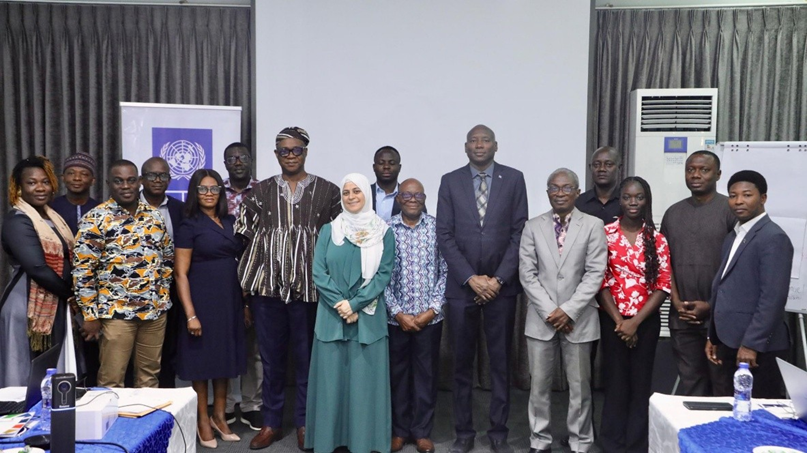
Accra, 14 August 2025: The United Nations Regional Centre for Peace and Disarmament in Africa (UNREC) concluded a strategic assessment mission to Ghana.
The mission aimed to evaluate the status of the “Saving Lives Entity” (SALIENT) project, a flagship initiative dedicated to addressing armed violence and the illicit proliferation of small arms and light weapons (SALW).
The SALIENT Fund, a joint effort between the United Nations Office for Disarmament Affairs (UNODA) and the United Nations Development Programme (UNDP), operates under a holistic framework that links small arms control with sustainable security and human development. Ghana, as a key beneficiary, has integrated the project into its national security strategy to align with Sustainable Development Goal 16.4.
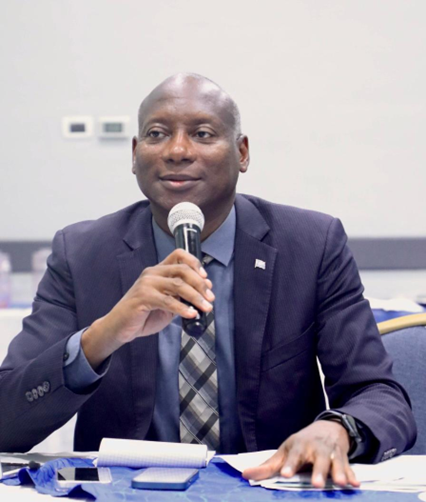
Opening the mission's high-level consultations, Anselme Yabouri, Director of UNREC and mission lead, emphasized that effective disarmament was not merely a technical exercise but a cornerstone for building resilient and peaceful societies. He stressed the importance of national ownership and a people-centered approach in tackling the root causes of armed violence.
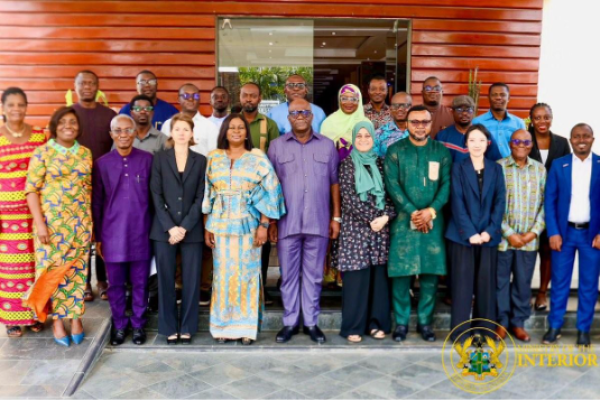
Throughout the mission, the UNREC team engaged with a diverse range of national stakeholders, including the Ghana National Commission on Small Arms (NatCom), and civil society organizations. The assessment focused on the ongoing implementation of the SALIENT programme including gaps as well as reinforcing interagency coordination to mitigate enumerate gaps and find way forward for a new phase of the project.
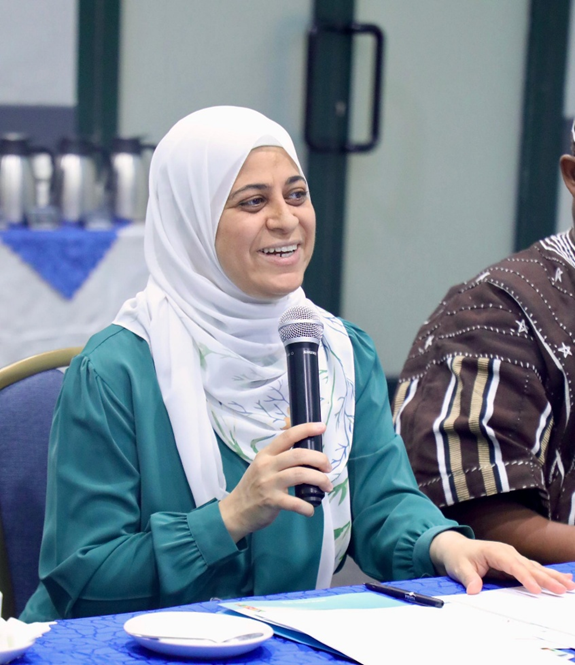
UNDP Ghana Deputy Resident Representative, Salma HUSSEIN, underlined the important link between security and the 2030 Agenda, noting that the SALIENT fund—supported by the governments of Finland, France, Germany, Japan, Sweden, Switzerland, and New Zealand provides a unique platform for African states to rebalance their security priorities toward social investment and inclusion.
The mission also reviewed key project outputs and regional commitment reports, facilitating a comprehensive "gap analysis" to identify remaining challenges in enforcing the control of Small Arms and Light Weapons (SALW). This evidence-based approach ensures that future UNODA and UNREC interventions remain anticipatory and responsive to emerging threats in the sub-region.
Participants and stakeholders agreed on the necessity of finalizing pending legislative reforms to provide a robust legal basis for weapon and ammunition management. Strengthening the capacity of the National Commission on Small Arms was identified as a priority to ensure the long-term sustainability of the project’s achievements.
A Human-Centered Approach to Disarmament.
The participants reaffirmed that small arms control must be integrated into broader peacebuilding strategies. By addressing the root causes of violence, such as poverty and social exclusion, and ensuring the participation of youth and civil society in security governance, Ghana could better protect its citizens and foster an environment conducive to investment and growth.