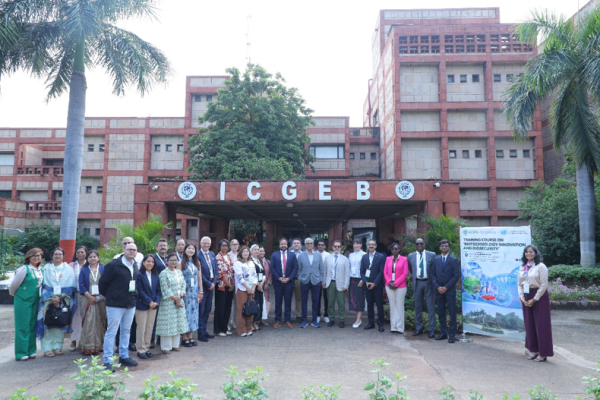
From 12 to 16 October 2026, in New Delhi, India, the Implementation Support Unit (ISU) of the Biological Weapons Convention (BWC) within the United Nations Office for Disarmament Affairs (UNODA) co-organized a Training Course on Biotechnology Innovation and Biosecurity in partnership with the International Centre for Genetic Engineering and Biotechnology (ICGEB). The training was hosted at ICGEB’s campus in New Delhi and convened with financial support from Norway.
The training course was targeted at early/mid-career scientists with a background in virology, microbiology, or related biological sciences in the field of human, animal or plant health. The event brought together 16 participants from 16 States Parties of BWC, namely, Argentina, Bangladesh, Ecuador, Iran (Islamic Republic of), Jordan, Kenya, Kyrgyzstan, Malaysia, Mauritius, Mongolia, Nepal, Paraguay, Peru, Philippines, Tajikistan, and Türkiye. Besides staff from the ISU, representatives from World Health Organization (WHO), ICGEB Trieste and New Delhi, The International Biosecurity and Biosafety Initiative for Science (IBBIS), Government of India Ministry of Science & Technology Department of Biotechnology (DBT) and experts from the industry and research institutions of India also contributed to the training sessions.
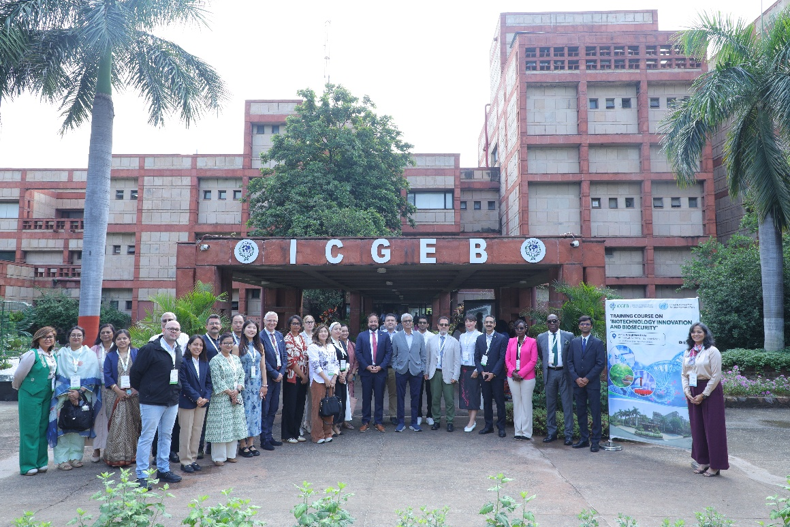
Overall, the training course was designed to build capacity in the peaceful use of biology in the framework of Article X of the BWC. Additionally, the training aimed to enhance the capacity of scientists and professionals working in biological laboratories across all domains of biotechnology to identify and manage biosecurity risks associated with biological materials, technologies, and data. Furthermore, participants gained hands-on practical training in molecular detection methods and biotechnological tools used for pathogen detection, laboratory diagnostics, and biosurveillance.
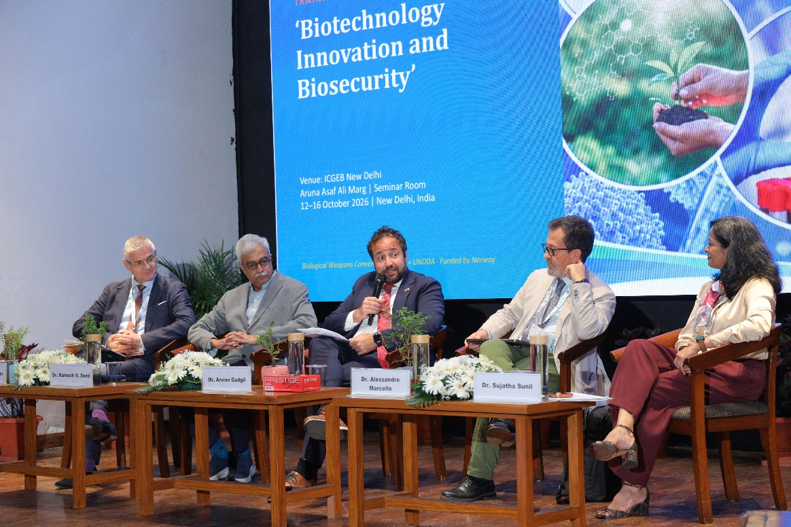
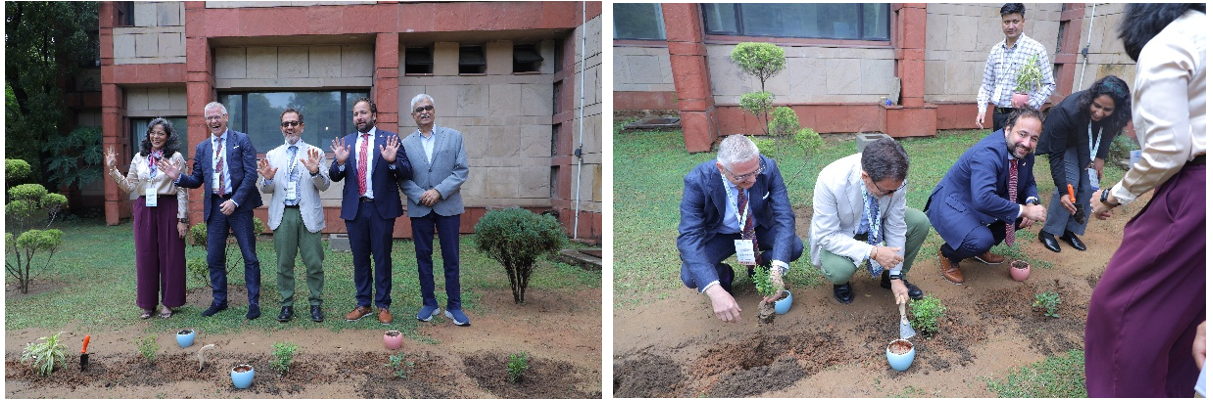
Mr. Arvinn Gadgil, Deputy Ambassador and Minister Counsellor, Royal Norwegian Embassy in New Delhi, India, delivered opening remarks to participants and stressed Norway’s steadfast support to the implementation of the Article X of the BWC as well as Norway’s commitment to harnessing the benefits of biotechnology while upholding the obligations of the Convention. Dr. Ramesh V. Sonti, Director of ICGEB, New Delhi, set out ICGEB's role in supporting research and capacity-building across its Member States. He underlined that the rapid development of science and technology needs to be governed by relevant international frameworks and highlighted the importance of the peaceful use of life sciences. Dr. Alex Lampalzer, Deputy Chief of BWC ISU, UNODA, stressed that “global frameworks and institutions – including the Biological Weapons Convention – remain under-resourced and ill-equipped to respond to the emerging risks.” Furthermore, he emphasized that “strengthening the Biological Weapons Convention is not only necessary but urgent”. Dr. Alessandro Marcello, Scientific Coordinator of BIO-GUARD, ICGEB, Trieste, highlighted the value of bringing scientists and policymakers together to address biosecurity challenges in practice. The opening ceremony was followed by a planting ceremony to express good wishes for the training course and to build momentum for cooperation.
The opening day laid the foundation for the training by examining how biotechnology innovation, biosecurity and the BWC intersect. The ISU outlined how the Convention relates to scientific progress, highlighting cooperation opportunities under Article X. An expert from Indian Institute of Science Education and Research (IISER) Mohali shared India’s experience of growing its bioeconomy while addressing biosecurity concerns, and ICGEB’s role in pandemic preparedness and biosecurity. The afternoon opened with a panel bringing together the BWC ISU, WHO India, IBBIS and Manohar Parrikar Institute for Defence Studies and Analyses (MP-IDSA) to reflect on transferring international and national commitments into everyday practice. WHO then walked participants through its approach to governing dual-use research. IBBIS described its efforts in safeguarding bioscience. Day one closed with MP-IDSA’s presentation on Cyberbiosecurity and exploring the security implications of AI and digital tools in life sciences.
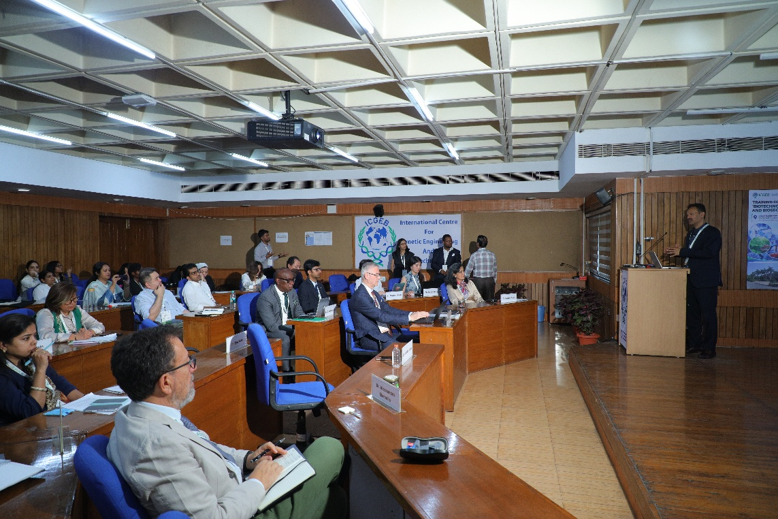
On day two, the programme focused on sequence biosecurity. Participants learned about India’s structures for biotech innovation and how industry weighs innovation against biosecurity. IBBIS introduced their work on DNA synthesis screening and its Global DNA Synthesis Map. The morning session ended with a panel discussion, in which representatives from the BWC ISU, IBBIS, ICGEB and industry exchanged views on screening, regulation and the private sector’s responsibilities. Participants spent the afternoon on an IBBIS-led exercise assessing the risks associated with genetic sequences.
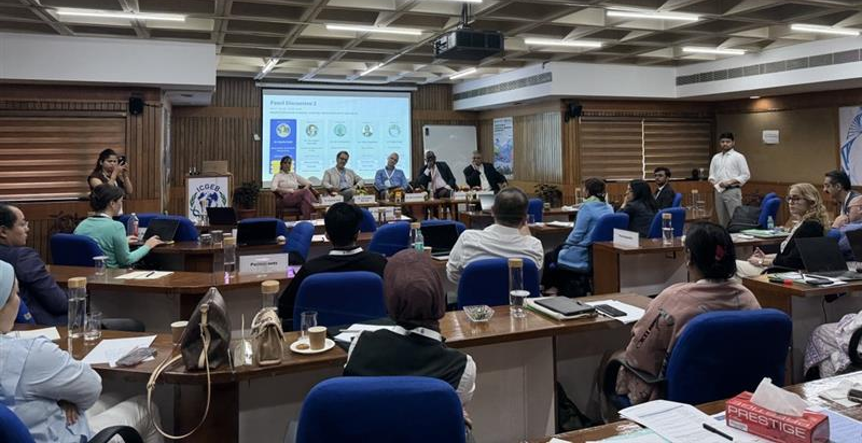
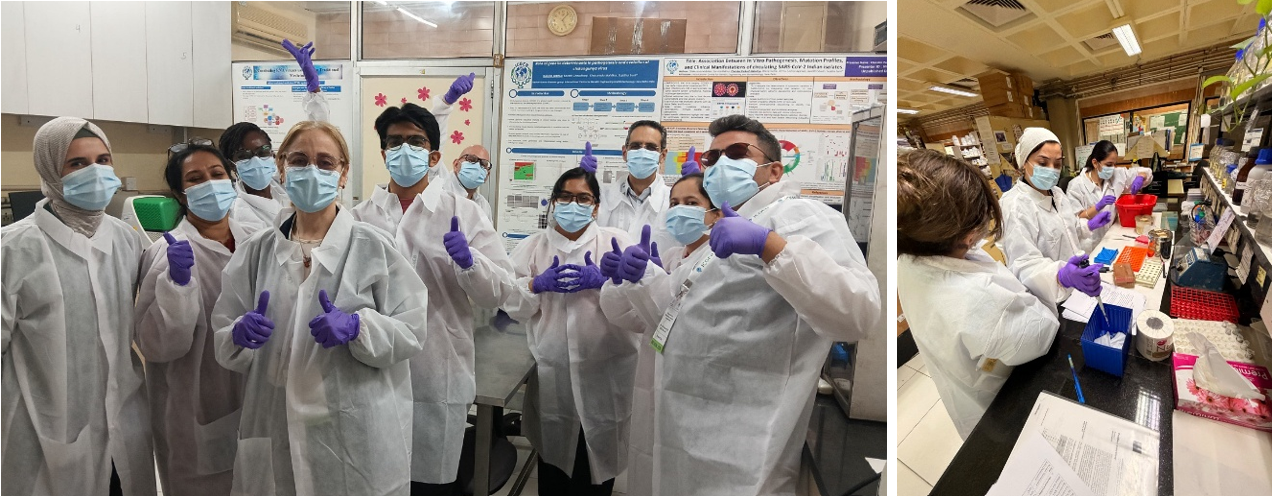
Day three explored biotechnology's role in surveillance and detection of biological threats. An expert from Indian Council of Medical Research (ICMR) explained the importance of syndromic surveillance. ICGEB showed how biotechnology can be applied responsibly to improve crops and agricultural sustainability. Participants also discussed laboratory biosecurity from internal and external threats where resources are limited, and Indian Council of Agricultural Research (ICAR) - National Institute of High Security Animal Diseases (NIHSAD) drew on its high-containment work to illustrate genomic surveillance across animal and environmental settings. In addition, the ICGEB technical team delivered a briefing on molecular and gene-editing methods, and then guided participants through demonstrations of RT-PCR, qRT-PCR, LAMP and CRISPR.
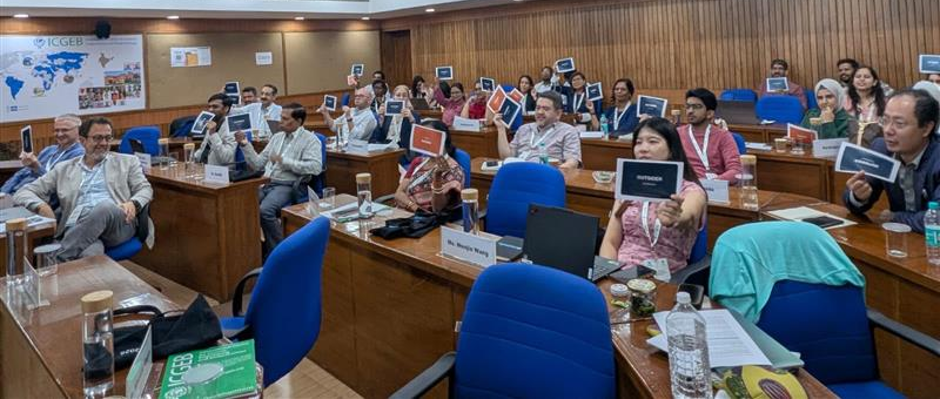
Day four began with Ami Polymer Pvt’s presentation on expanding biomanufacturing capacity in alignment with global health security. WHO then presented its Biorisk Implementation and Evaluation Tool (BRIET), which participants subsequently used to conduct a preliminary assessment of their national biorisk level. Later sessions examined the threats of newly emerging viruses and the use of metagenomics to detect pathogens.
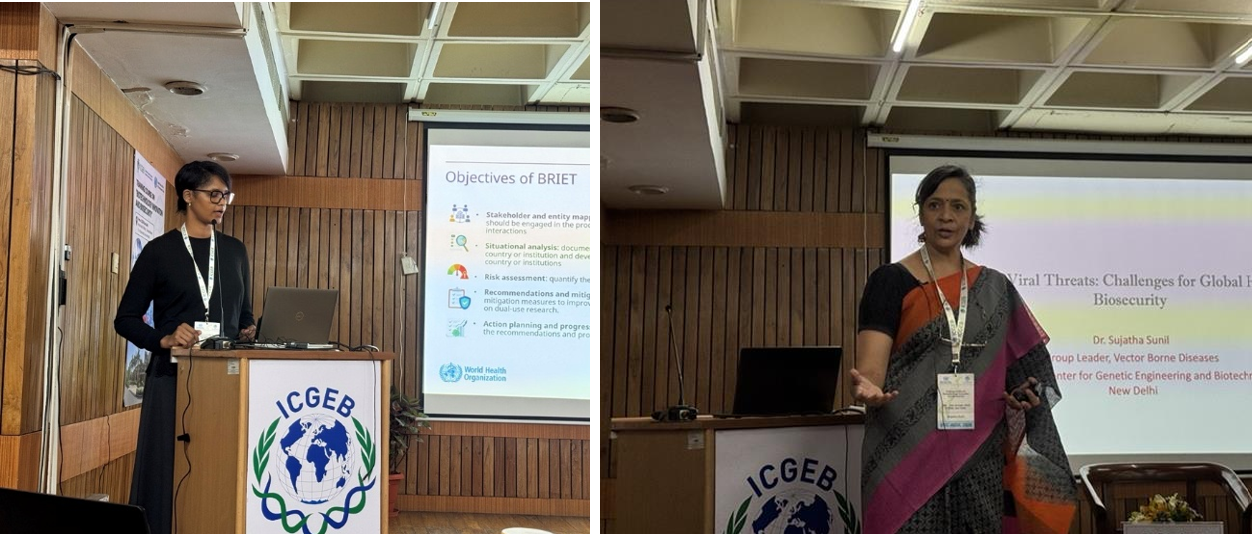
One the last day, working in regional groups, participants discovered the regional synergies and presented action plans to be implemented in their own institutions and countries.
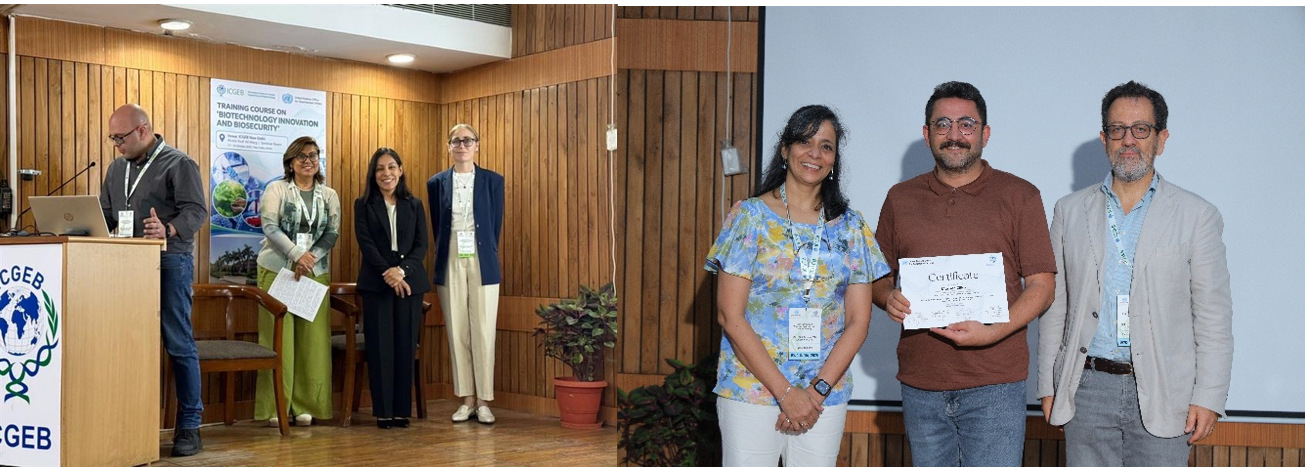
Overall, the five-day training course covered eight sessions:
- Setting the stage: biotechnology innovation and biosecurity
- Global frameworks, scientific progress and emerging biosecurity challenges
- Biotechnology innovation, industry engagement and sequence biosecurity
- Sequence biosecurity in practice
- Biotechnology applications for surveillance and biosecurity
- Molecular and gene-editing tools for biosecurity: principles and practical applications
- Emerging biotechnology: opportunities, risks and responsible application
- Enabling safe innovation: policy, governance and the road ahead
A feedback survey carried out among participants indicated that the training course met its objectives. Participants particularly noted the value of the excellent presentations, technical hands-on sessions in the laboratory and the opportunity to exchange views on a regional level.
Additional information on the BWC is available here.